
Can One Person Really Change the World?
We've all heard the saying. “One person can't change the world.”
It's usually meant to comfort us. The world's problems are simply too big, too complex, too overwhelming for any one individual to solve.
But what if we've been asking the wrong question?
Perhaps the better question is this: Can one person change someone else's world?
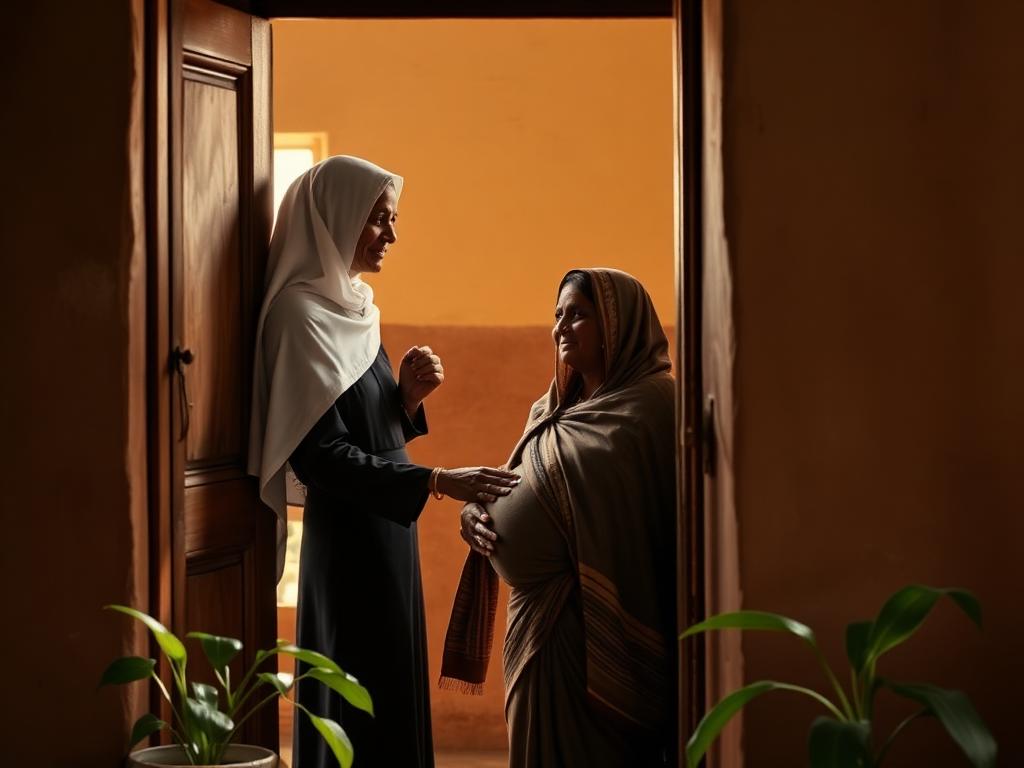
In 1997, a Catholic nun named Sr. Lucy Kurien met a pregnant woman whose husband had tried to kill her by pouring kerosene over her body. Terrified and alone, the woman had nowhere to go. There were no shelters willing to receive her. No family able to protect her. No safe place to begin again.
Sr. Lucy faced a choice. She could grieve the tragedy and move on. Or she could open her door.
She chose the second.
She called the small home Maher, meaning “Mother's Home,” and welcomed the woman inside. Soon other women arrived. Then their children. Eventually elderly men with nowhere else to turn found a place there, too.
There was no grand strategic plan. No blueprint for an international humanitarian organization. Just one simple decision rooted in compassion: No one should be left without hope.
Nearly three decades later, that single decision has grown into a remarkable community of more than 1,600 residents living in 68 homes across seven Indian states. Maher's outreach programs now partner with more than 90 villages, addressing poverty through education, healthcare, women's empowerment, child protection, and economic opportunity.
Thousands of lives have been changed.
Not because one person changed the entire world. Because one person changed one life. Then another. And another.
That is how real change has always happened.
History is filled with ordinary people whose willingness to act became extraordinary because they refused to believe they were too small to matter. They didn't begin with certainty. They began with compassion.
The same is true today.
Most of us will never found an organization like Maher. We won't receive international awards or meet world leaders. But that doesn't mean we are powerless.
Every act of generosity creates a ripple. A donation helps educate a child. A volunteer encourages someone searching for belonging. A conversation introduces a friend to a cause they may never have discovered otherwise.
One decision inspires another. The ripple continues.
Visitors to Maher often arrive believing they have come to teach or serve. Many leave saying they received far more than they gave. They discover that compassion isn't a transaction—it's a relationship. They see resilience where they expected despair, joy where they anticipated hardship, and a community built on something our world desperately needs more of: belonging.
Sr. Lucy often says that people will usually find food and a place to sleep—even if the meal comes from someone else's scraps and the bed is a piece of cardboard. What people hunger for most is love.
That belief shapes everything at Maher. There is always room for one more.
If another person arrives needing safety, another bedroll is simply unrolled on the floor. If a child needs encouragement, someone sits beside them. If a family needs hope, the community makes space.
Love isn't treated as an emotion. It is practiced as a daily decision.
Maybe that's why Maher's story resonates so deeply with people around the world. It reminds us that changing the world isn't reserved for remarkable people. It's the result of ordinary people making remarkable choices, one life at a time.
So, can one person change the world? Maybe not all at once.
But one person can change someone's world. And when enough people make that choice, the world changes anyway.
Every gift goes straight to Maher's work in India.
Give now